Profiles in Courage 2026
A look at the recipients of the Coast Mental Health Courage to Come Back awards


Every year, the Coast Mental Health Courage To Come Back Awards recognize a group of extraordinary British Columbians in four categories: Addiction, Medical, Mental Health, and Young Adult. The awards, usually a sold-out gala at the Vancouver Convention Centre, raise critical funds for the Coast Mental Health Foundation. Writing these profiles and getting to interview these amazing people is an honour and a privilege and some of the most satisfying work I get to do. So, without further ado, here are the recipients for 2026.
Mental Health award recipient is a beacon of hope to others
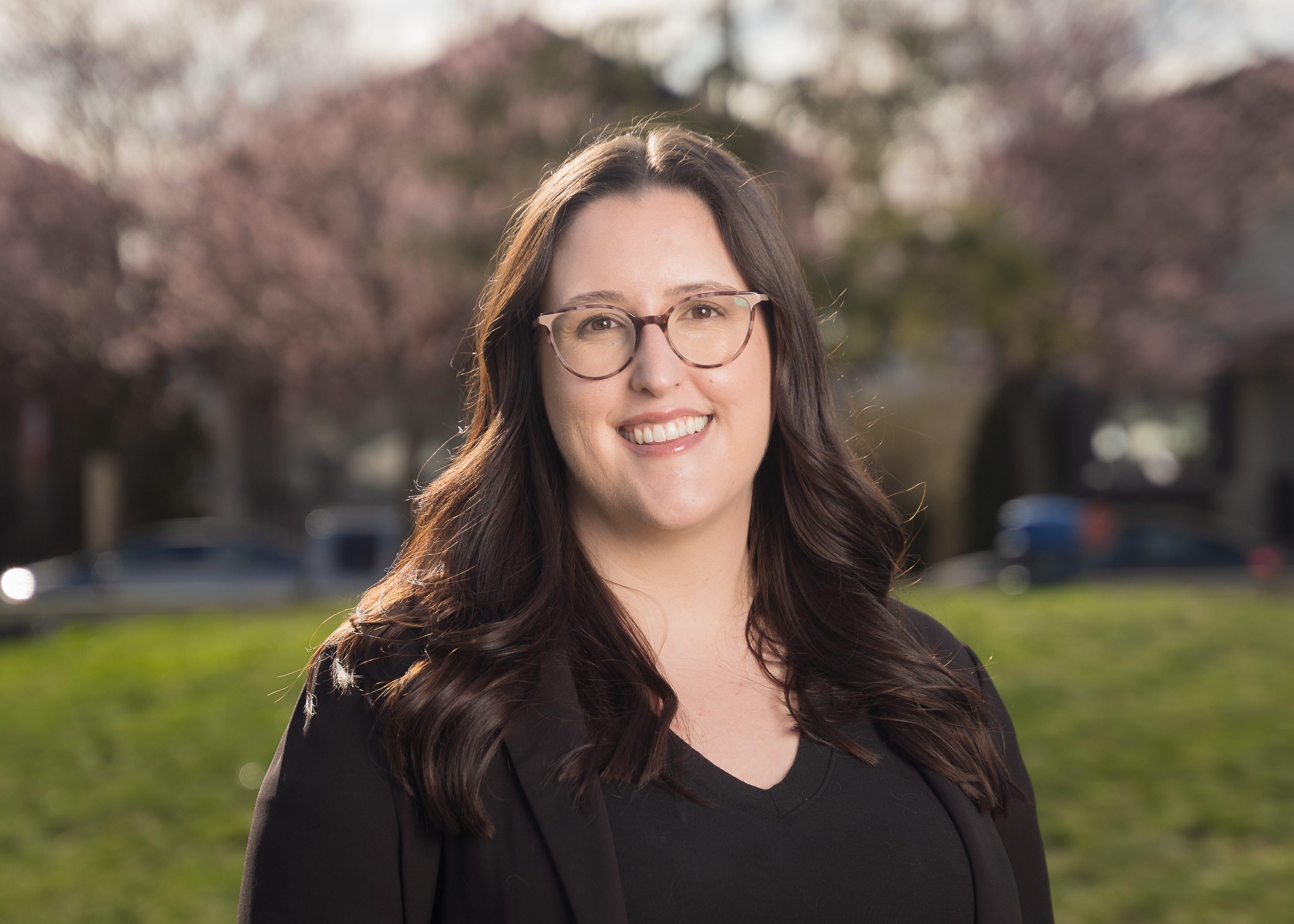
Laurie Edmundson of Abbotsford is the recipient of the 2026 Courage To Come Back Award for Mental Health (Coast Mental Health)
For the first 20 years of her life, she lived with undiagnosed mental illness. Today, she is a beacon of hope for others.
Our series of Courage To Come Back award profiles begins with a look at Laurie Edmundson of Abbotsford, the recipient in the Mental Health category.
Edmundson had a childhood filled with panic attacks, unexplained and disproportionate rage, self-harm, and overwhelming emotional pain. Part of the problem was her inability to express what was happening inside her.
“It’s really difficult when you don’t have that vocabulary and that label because I didn’t have any idea what was wrong with me,” she said.
“So, I knew something was wrong, and I knew I was very different from others, but didn’t have an explanation. So, I felt like I was just like a horrible human being.”
Edmundson says that only when she received her borderline personality disorder (BPD) diagnosis at age 19 did things become clearer.
“And looking back at my records from when I was a kid, it’s so obvious that they could have provided me and my family with an explanation, you know, 10 years earlier than they did.”
Edmundson has paid dearly for her BPD, from financial instability in her younger years to strained family relationships, even now.
“I mean, I have unfortunately alienated a lot of family because of my reactions to things when I was younger. But as a child with undiagnosed, untreated mental illness, I was reacting in the only ways that I knew how,” she said.
Edmundson is a self-described “super feeler” – someone who feels things deeply, perhaps too deeply, by some clinical standards. Still, she chooses to look at her mental illness almost like a superpower — a guiding principle for her Super Feeler podcast and global peer support network.
“I’m not saying it’s an easy life. I’m not saying that it’s all positive, but there’s so much more positive that we can highlight that really isn’t highlighted elsewhere.”
She also has a full-time role with BC Mental Health and Substance Use, developing and leading a brand-new peer-support program. Edmundson originally wanted to be a forensic psychologist, but her experiences in the health-care system led her to get a Master of Health Administration degree instead. Today, she is doing the kind of work she wishes existed when she needed it most.
“So, it’s been really cool to see going from being told, in health care, ‘You can’t do peer support with these high-risk populations,’ to then leading a project that is literally doing peer support for high-risk populations within 10 years is literally a dream come true.”
Edmundson hopes her Courage To Come Back Award serves as an example to others.
“I’m really honoured to be this year’s winner, and it still feels a bit surreal,” she said.
“I would love to come on here and say, everything is great. I’ve done no wrong. I’m a perfect human being, but that’s not the case. And there’s so many people struggling in the world that feel alone or they feel like nobody else is like them.”
Her message: being a “super feeler” like her can be a good thing.
“Having a borderline personality disorder diagnosis is not something that is a life sentence. You can overcome it. And the families that are listening to this, who maybe are struggling as well, that there is so much support out there for you.”
Addiction award recipient still searches for redemption
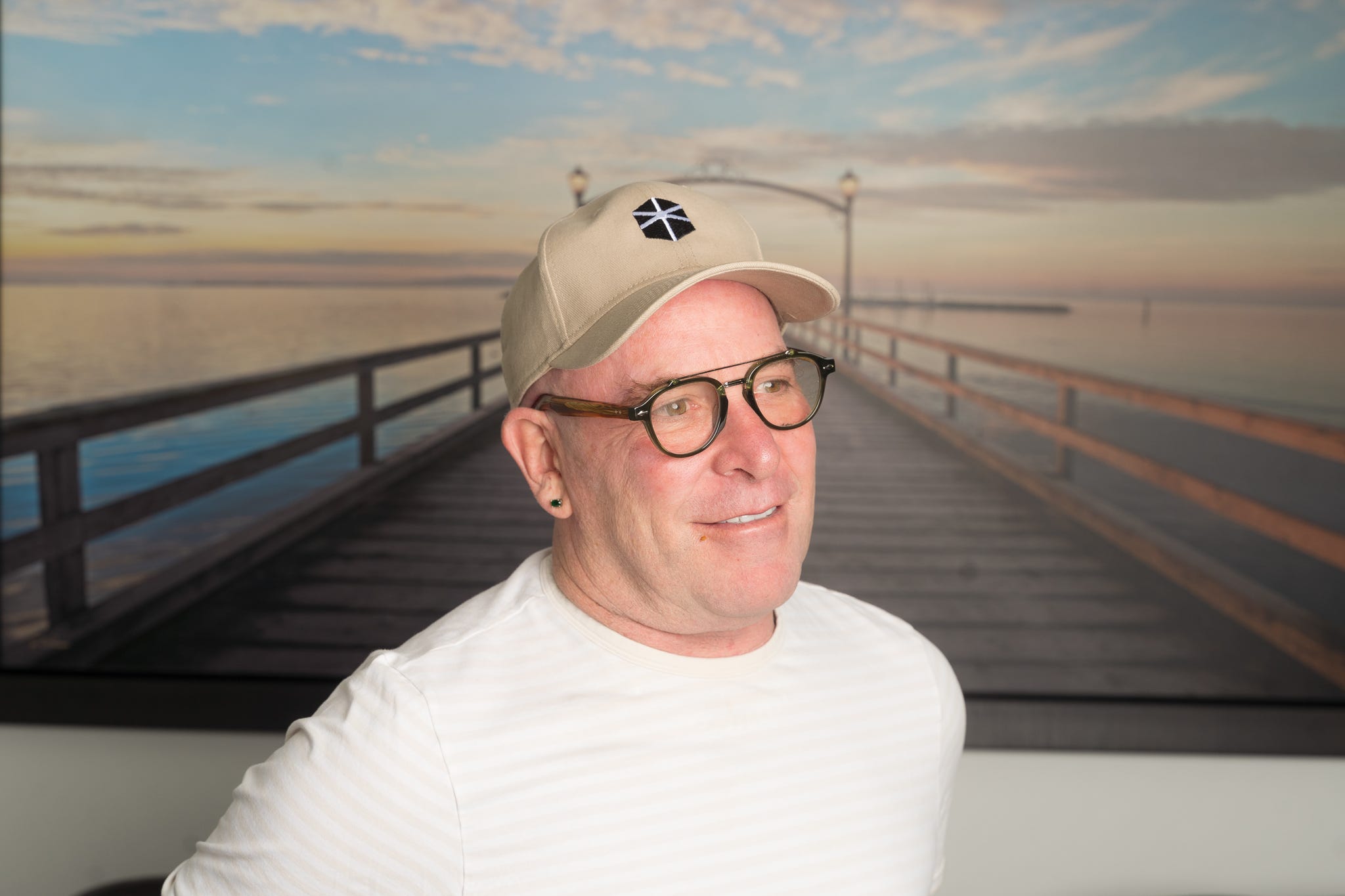
Cole Izsak of White Rock is the 2026 Courage to Come Back Award recipient in the Addiction category (Coast Mental Health)
He came to Vancouver in 2004 with just $23 to his name. Today, he operates a society that has helped thousands of struggling addicts. Our series of Courage To Come Back award profiles continues with a look at Cole Izsak of White Rock, the recipient in the Addiction category.
Izsak’s addiction story starts in 1980s Los Angeles. It was the height of the AIDS epidemic. And he had just lost his partner to the disease.
“I don’t want to make excuses for why I fell into addiction, but it was fear and thinking that my life would be short,” he said.
“I just thought I’d go out with a bang, and I started using, and it got a hold of me and didn’t let go for a long time.”
Fast forward to 2003, when Cole was sentenced for possession of a controlled substance. By some quirk of the law, he was deported back to Canada.
“I hadn’t been in Canada since 1962, when I was six weeks old. And I never imagined that I would live in Canada.”
Izsak arrived in Vancouver in 2004 with $23 to his name.
“I had no shoelaces, I had no socks, I had no toothbrush. I had absolutely nothing from the first 41 years of my life.”
His first stop was the Downtown Eastside. His addiction spiraled even further for the next seven years.
After hitting bottom one last time, he decided to make a change.
“I opted to try something different. And that was recovery. And that was 2011,” he said.
It was in recovery that he found his life’s path.
“While I was there, doing the hard work of resisting temptation and returning to my addiction, I thought, ‘You know what? I think I might have found something that I can delve into.’”
A year later, he started the Back on Track recovery home, and his new life began.
“And we now have about 90, 95 recovery beds and nine facilities in Surrey. And we’re helping lots of people.”
What started as a way for Izsak to stay clean has turned into a calling, a new purpose.
“I didn’t consider the end game of being able to really help people. I just wanted to stay clean and didn’t know exactly how to do that except by staying busy.”
Since then, Back on Track has helped more than 5,000 men and women achieve recovery from addiction.
“I take great pride in that, and that number, and the amount of people that I have helped, and I’m definitely looking forward to helping many, many, many thousands more.”
For Izsak, the greatest gift to emerge from his Courage To Come Back award is a shot at redemption in the eyes of his family.
“Being able to let my parents know that ‘Look, you guys, I’m not such a screw-up’ — I was going to say something else, but I’ll keep it clean here — ‘I’m not such a bad guy, you know, I’m worth it. And you did good, Dad. And I’m trying to make some changes.’ And so, I love sharing the award with them.”
Young Adult award recipient won’t let cancer slow him down
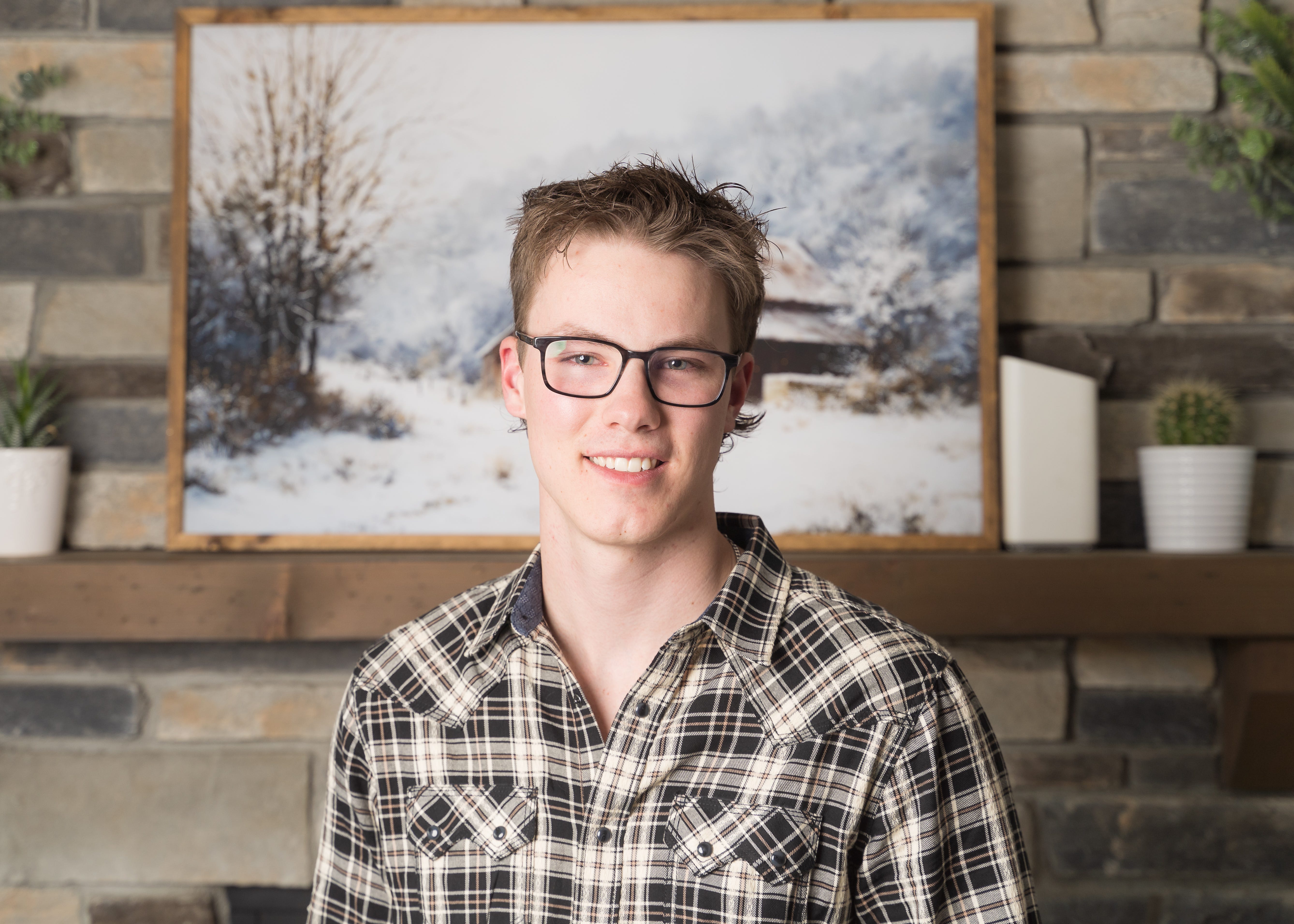
Jacob Bredenhof of Abbotsford is the 2026 Courage To Come Back award recipient in the Young Adult category. (Coast Mental Health)
He was 13 when doctors told him he had osteosarcoma, the same knee-area bone cancer as Terry Fox. Today, he finds his healing in helping others. Our series of Courage To Come Back profiles continues with a look at Jacob Bredenhof of Abbotsford, the recipient of the Young Adult award.
Now 21, Bredenhof still remembers the day he received the diagnosis that would change his life.
“My mom asked, ‘Is it bad?’ And the doctor said, ‘It’s the worst of the worst.’ So, that started our journey into the whole cancer world,” he said.
“Osteosarcoma is quite an aggressive cancer compared to other types. It is also a hard tissue cancer, which means it doesn’t shrink. It has to be removed.”
Bredenhof ended up opting for a rotationplasty, as opposed to a full leg amputation.
“They take the lower part of my leg and bring it up to the upper part and rotate it 180 degrees. So now my foot and my ankle act as my knee. I chose this option to give me, I thought, the best mobility, [so I could be] the most active.”
Seventeen rounds of high-dose chemotherapy followed. He credits his family and his faith in God for getting him through it.
“He has a plan for me, and whether I could see that plan or not, I trusted in Him to see it through.”
Bredenhof says he didn’t want to let cancer slow him down — and it hasn’t.
“Now I’m still able to do pretty much whatever I want. I mean, I don’t really run or anything, but I don’t really see the need for that. I can still do what I want. I can go for walks, I can hike, I can work — everything I need to do.”
Almost immediately, he started giving back by raising money for cancer research, including when he rode a specially made bike for use with a prosthetic leg.
“Nothing really prepares you for [riding] 105 kilometers straight. That was a lot. It was a long journey. Obviously, we made it. And I had a good team with me as well. I had Darrell Fox, who is Terry Fox’s brother. He was a big motivation for me, and it was really cool to ride with him.”
Bredenhof not only raises money for cancer research, but he also volunteers, serving meals at a local outreach facility in Chilliwack.
“It just brings me joy to help other people. If I’m able to help anyone, I’ll do it,” he said.
“I think that God has given me a lot of blessings, including my life. And I think I have an overabundance of blessings. And so, I should give back to other people that maybe aren’t so blessed as well.”
Bredenhof has big plans. He’s just completed his first year of a millwright apprenticeship, and he hopes to be married next winter.
He hopes his Courage To Come Back award sets an example to motivate others.
“The hardest thing in your life is still the hardest thing in your life, and you need the courage to make it through that. And so, if I’m able to help people see that they can make it through something, then I hope that’s what I can do.”
Medical award recipient advocates for a more inclusive world
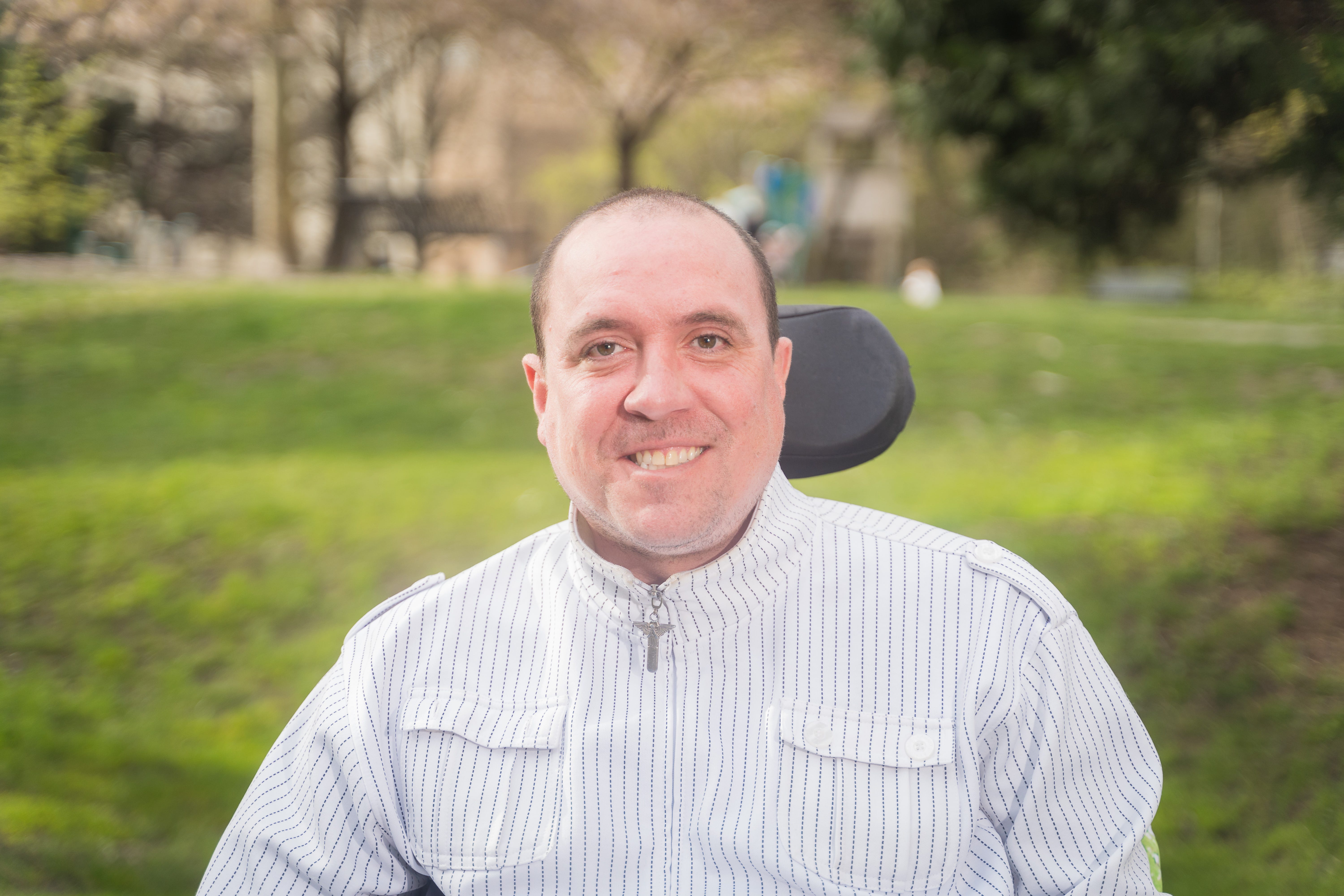
Mark Stockbrocks of Vancouver is the 2026 Courage To Come Back award recipient in the Medical category. (Coast Mental Health)
He lost the use of his left arm and both his legs nearly 15 years ago. Today, he advocates for wheelchair accessibility and inclusion. Our series of Courage To Come Back award profiles concludes with a look at Mark Stockbrocks of Vancouver, the recipient in the Medical category.
On Nov. 27, 2011, he suffered a massive brain bleed caused by a congenital AVM – short for arteriovenous malformation.
“I bled for 15 hours. And to make it through [that], I’m absolutely blessed and fortunate to be here [talking] with you,” he said.
Stockbrocks was in the best shape of his life, training to become a firefighter when it happened.
“It doesn’t matter how fit you are, if your brain decides to just start bleeding one day, that’s going to happen. That’s fate. It’s how you react.”
He says his injury reset his whole life.
“I travelled independently to 30 countries before I was 30, and that includes living in Japan for seven years. So, to go from that to, like, boom, you can’t move anymore, that was a major adjustment. But when you have no choice, it’s easy.”
Fifteen years after his stroke, he continues to deal with the repercussions – including two more surgeries scheduled for this year.
“My mom calls me a fixer-upper. It’s true,” he said. “I’m an ongoing work-in-progress, but we’re getting there.”
“I have had so many surgeries. In fact, I love them because I come out better than when I went in, and that’s the whole plan, I think. Yeah, bring them on, surgeries, I’m a fan.”
Stockbrocks hopes his Courage To Come Back award allows him to shine a light on a cause close to his heart: wheelchair accessibility. He is a one-man advocacy organization through his Access Heroes group, pushing for everything from push-button door openers to heat sensors, all to make the world a more inclusive place.
“My drive with Access Heroes is to try our best to get door openers installed in as many locations globally as feasible. We’re well off here in Canada, so we really have no excuse not to get this done.”
“I love the work, but it’s obviously a lot for one guy. So, it would be nice to get some help. It’s been rewarding, but it’s been a slog, I’ll be honest. I could use help.”
“Stay positive because you’re alive.”
He says finding his purpose and staying busy has made all the difference.
“Don’t give up because hard work does pay off. And it’s fun too. You must be active and productive. That’s my advice.”
1130 NewsRadio is a proud sponsor of the 2026 Coast Mental Health Courage To Come Back awards, which are being handed out tonight at the Vancouver Convention Centre.